Unsolved: Earth and Environment
| Problem | Status | Difficulty |
|---|---|---|
| Commercial fusion energy | Active progress | Very hard |
| Carbon removal at scale | Early research | Very hard |
| Climate adaptation | Active progress | Very hard |
| Affordable desalination | Active progress | Hard |
| Clean water for everyone | Active progress | Hard |
| Desert greening | Early research | Hard |
| Restoring biodiversity | Early research | Very hard |
| Plastic alternatives | Active progress | Medium |
| Removing microplastics | Unsolved | Very hard |
| Sustainable farming | Active progress | Hard |
Commercial fusion energy
Status: Active progress · Difficulty: Very hard · grand challenge #2
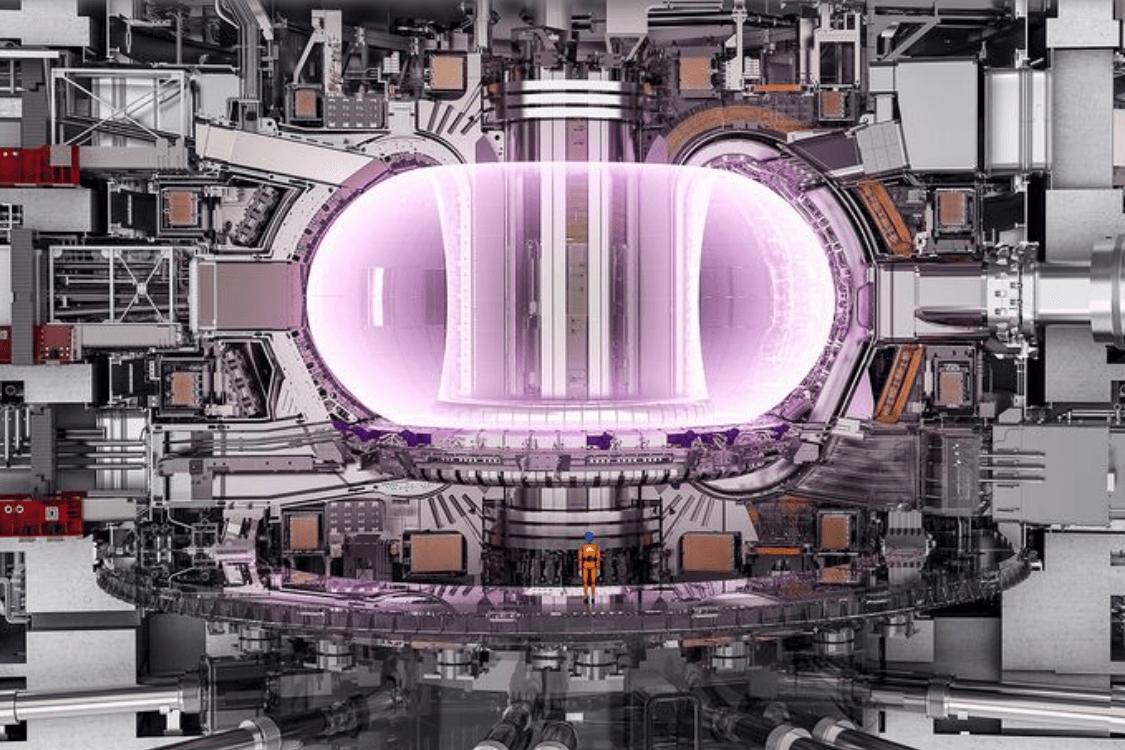
Fusion is the power source of the stars: near-limitless energy from seawater, no long-lived radioactive waste, no carbon. It would rewrite both energy and geopolitics.
Current approaches: magnetic confinement, like the giant international ITER tokamak and private firms using high-temperature superconductors, and laser-driven confinement at the US National Ignition Facility, plus dozens of startups trying new designs.
Why it's still open: you have to hold a plasma hotter than the Sun's core, get more energy out than you put in continuously rather than for an instant, and do it cheaply.
Latest: the National Ignition Facility got more energy out of a fusion reaction than the fuel absorbed in December 2022, and has repeated it. A real milestone, though the whole facility still used far more power than the reaction released.
Timeline: pilot plants in the 2030s, grid-scale fusion in the 2040s if the milestones hold. The old joke that it is always 30 years away is finally starting to shrink.
Affordable desalination
Status: Active progress · Difficulty: Hard
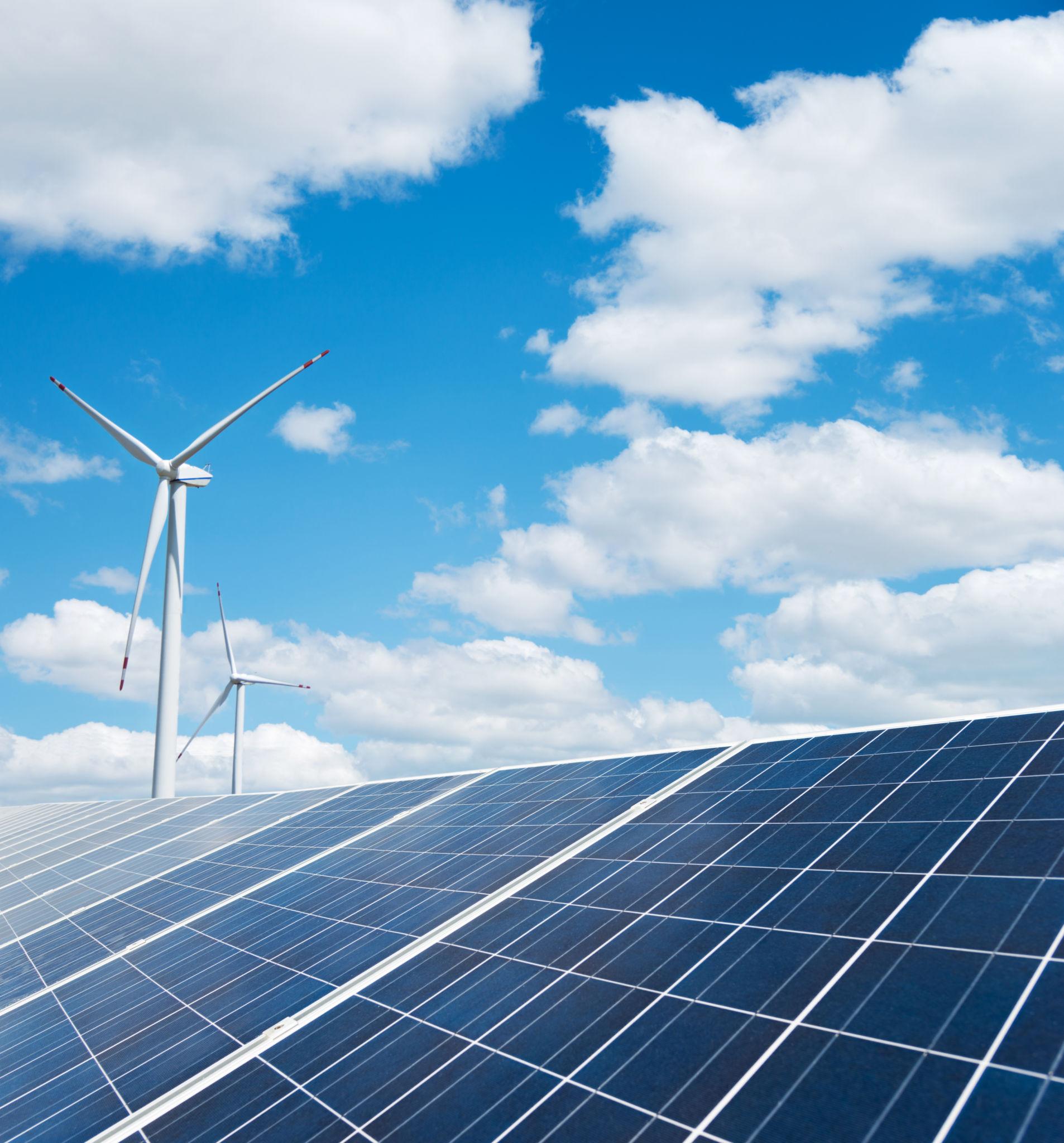
The ocean holds 97% of Earth's water. Making it drinkable cheaply would end water scarcity for billions on the coasts.
Current approaches: reverse osmosis, which works but uses a lot of energy, newer graphene and biology-inspired membranes, and pairing plants with renewable power.
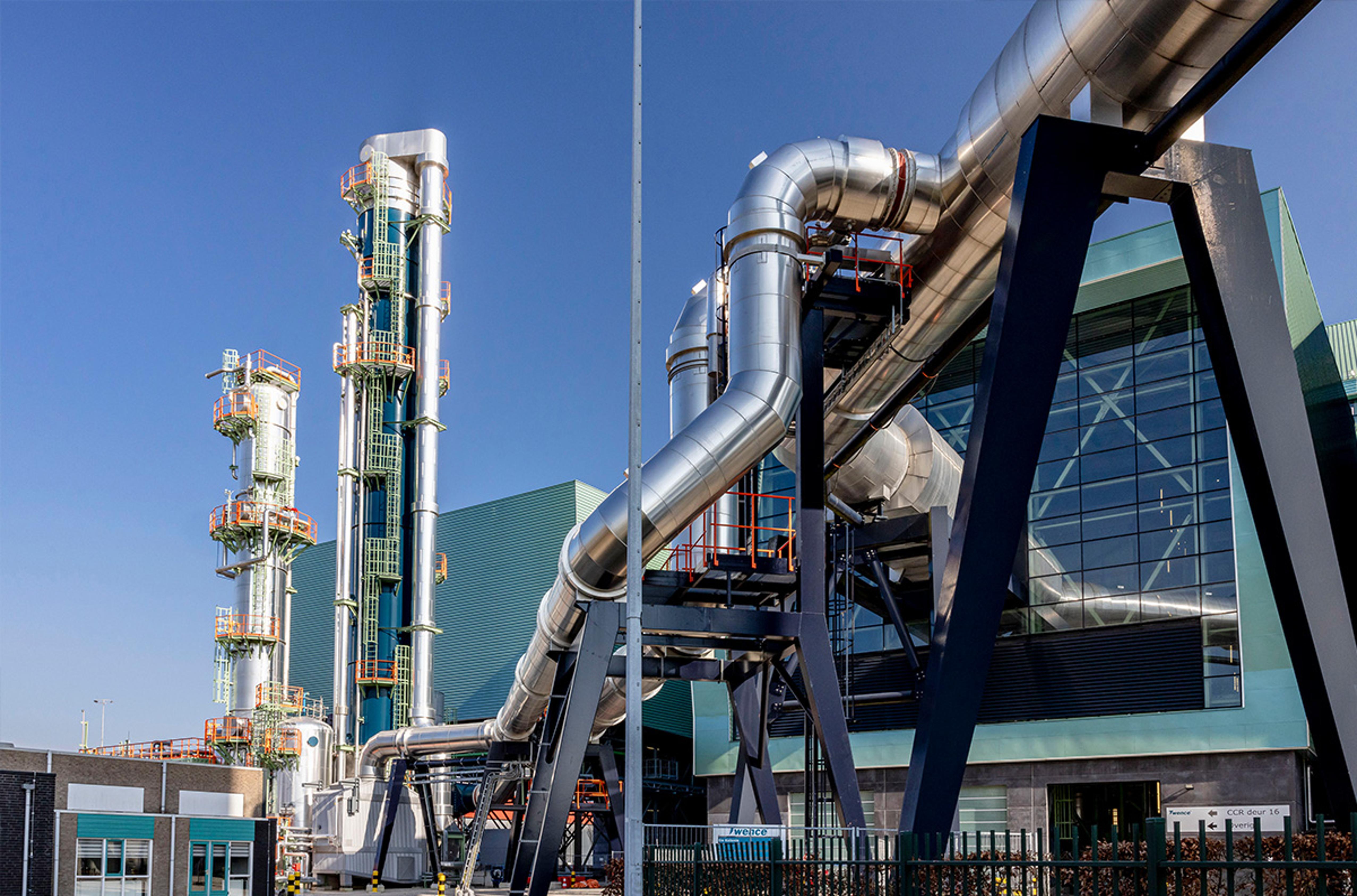
Why it's still open: energy cost and brine disposal, since concentrated salt harms marine life, and inland regions cannot easily use it.
Related: clean water for everyone, ocean farming.
Carbon removal at scale
Status: Early research · Difficulty: Very hard · grand challenge #9
Cutting emissions is not enough. To hit climate targets we also have to pull CO2 back out of the air, billions of tonnes a year.
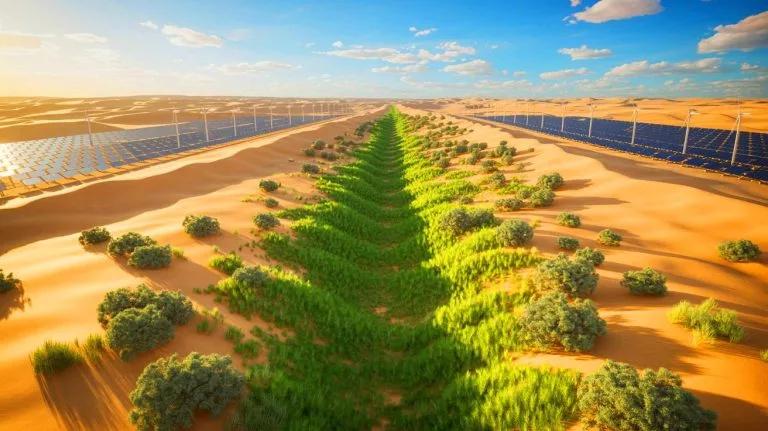
Current approaches: direct air capture with large fans and chemistry, spreading crushed rock that absorbs CO2, replanting forests, and greening deserts.
Why it's still open: direct air capture today costs hundreds of dollars a tonne and removes thousands of tonnes, when we need billions of tonnes at a fraction of the cost.
Timeline: real scale needs cost breakthroughs in the 2030s or 2040s.